
Why the End of Cancer Treatment Can Trigger Delayed Emotions and Vulnerability
The day after I finished radiation for breast cancer, I went to an event. It wasn’t symbolic. It was just what was on the calendar. But what happened there certainly caught me off guard and revealed something about life after cancer treatment that I was not prepared for.
The room was full. Familiar faces. A nonprofit fundraiser connected to breast cancer care. Nevertheless, I saw people I knew, people who knew parts of my story without ever hearing it out loud.
Then I saw him. The founder. He hugged me, and something broke open.
I cried in public for the first time since my diagnosis. Not quietly. Not briefly. I cried in a crowded lobby, surrounded by people who didn’t need an explanation.
It surprised me. I hadn’t felt overwhelmed during treatment, hadn’t fallen apart when decisions were made or procedures scheduled. I just kept going, one appointment at a time, one next step.
But standing there, the day after radiation ended, my body seemed to realize something my mind hadn’t fully processed yet. I had made it this far. Cancer trains you to stay functional. Emotional responses are postponed. You comply. You adapt. You keep moving because stopping doesn’t feel safe.
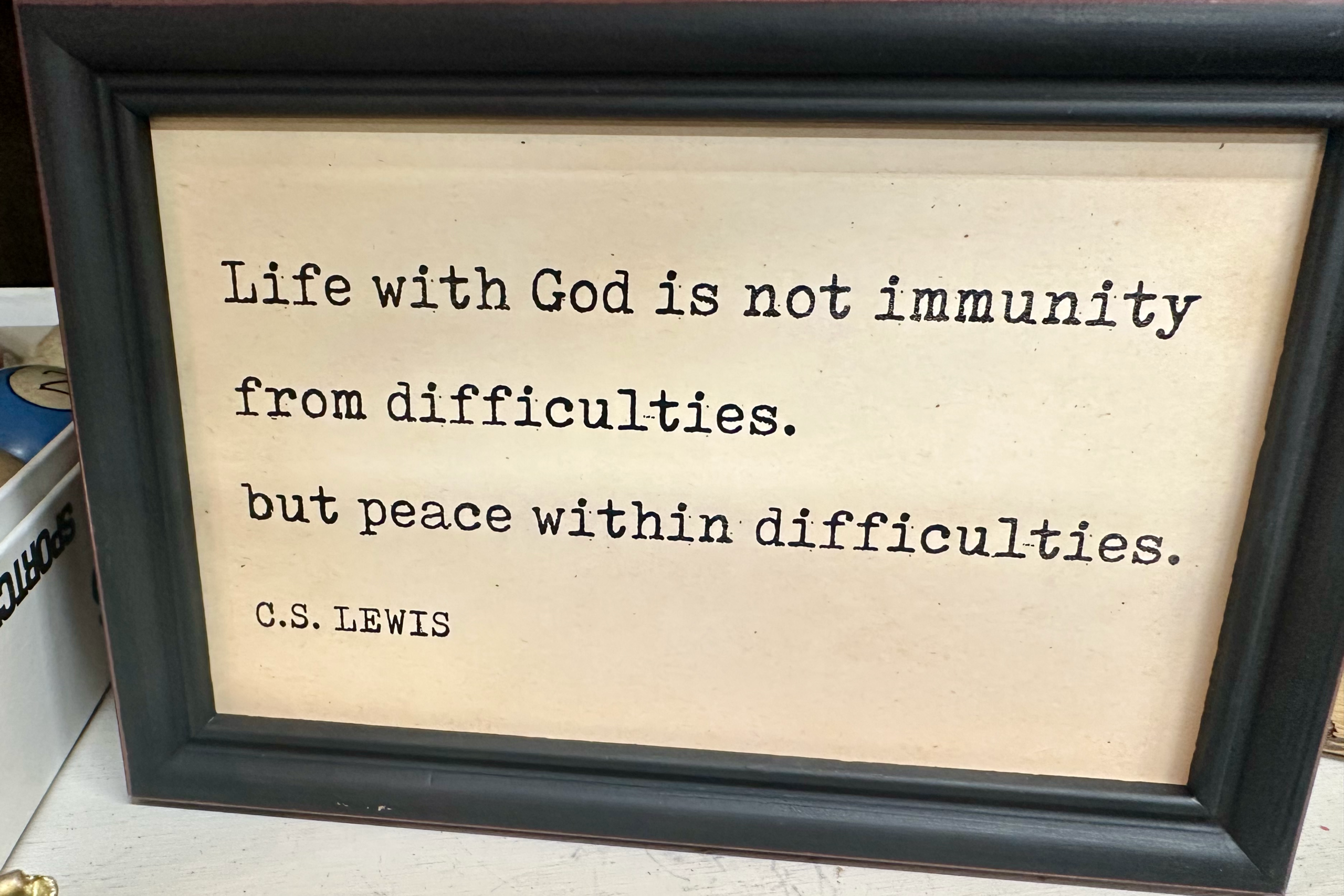
If you have had a moment (or moments) that caught you off guard, you are not alone. Besides, cancer is a very emotional experience. I wrote something for those moments.
Obviously, that moment wasn’t about fear or sadness, it was release. Recognition. A delayed acknowledgment of everything my body had carried quietly. I even saw my radiation nurse there. We hugged. No words were necessary.
There is no ceremony for finishing treatment, no decompression period. Life resumes, even when you’re still catching up internally. Sometimes the hardest moments come after the urgency passes, when the structure disappears and the adrenaline fades.
For those navigating the emotional and spiritual aftermath, resources like Focus on the Family’s Cancer and Faith guide can provide encouragement and perspective.
That day reminded me that healing isn’t linear, and it isn’t scheduled.
Sometimes the hardest part isn’t treatment. It’s what comes after, when everything finally comes to the surface. It means you made it through, because you did.
If you need more encouragement, or want to read more, check out these relevant blogs:
- Why Am I Still So Tired After Cancer? The Truth About Post-Treatment Fatigue
- Cancer, Menopause, Hormones: A Personal and Unexpected Conversation
- Life After Cancer: Why Healing Is Often Quiet