Faith in the Hard Places: Trusting God Through Cancer
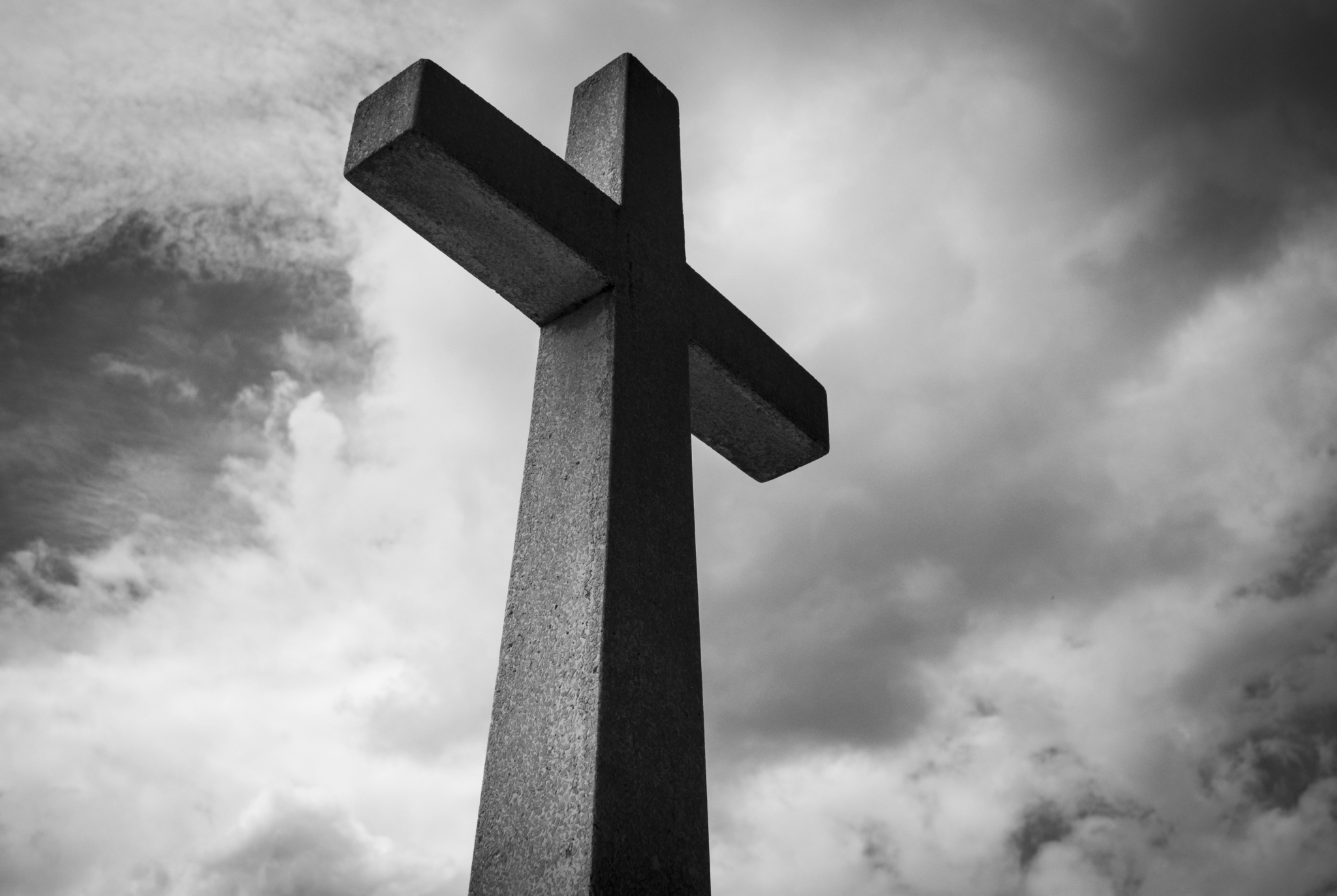
Even in life’s most difficult seasons, God is present, guiding, strengthening, and walking beside us through this journey.
Cancer has a way of testing almost everything you thought you understood about life.
“Fear not, for I am with you; be not dismayed, for I am your God. I will strengthen you and help you.” – Isaiah 41:10
Your body changes. Your routines disappear. Your sense of certainty about the future gets shaken. And somewhere in the middle of all of that, trusting God through cancer often becomes part of the conversation in ways it never was before.
People often talk about faith as if it’s something strong and unshakable, like a mighty oak tree standing firm against the wind.
Sometimes faith does feel like that. But other times, faith feels much smaller. Faith doesn’t always feel strong during cancer, it just keeps showing up anyway.
More fragile. More like a tiny seed beneath the surface, quietly growing in ways we cannot see yet.
Cancer has taught me that faith isn’t always dramatic or obvious. It isn’t always confident. And it certainly isn’t always easy.
But it is still there. One of the things I’ve learned during cancer is that faith and fear can exist at the same time.
You can trust God and still feel uncertainty. You can pray and still have questions. You can believe deeply and still wrestle with what your body is going through.
Faith is not the same as optimism.
Optimism tries to convince us that everything will turn out exactly the way we hope.
Faith acknowledges that life can be painful and uncertain, and still chooses to trust God in the middle of it.
When you face something as life-altering as cancer, many of your long-held beliefs can feel shaken. The things that once seemed simple may suddenly feel complicated.
But I’ve come to realize that this is often where faith becomes stronger.
Perhaps faith is weakest when we feel strong on our own, and strongest when we recognize how much we need God.
Faith is not stagnant. Faith has been one of the anchors that has helped steady me through this season, something I wrote about more in “The Power of Faith in Healing”.
It grows. It stretches.
Sometimes it even changes shape as we walk through difficult seasons.
After months of treatment and recovery, I found myself realizing something many cancer survivors quietly experience:
I still have faith… but what worked for me before cancer doesn’t always feel the same now. And that realization isn’t failure. It’s transformation.
Cancer changes many things about a person’s life, including how we see ourselves. Learning to love yourself again after cancer isn’t about flipping a switch and suddenly becoming the person you were before. It’s about navigating the complicated relationship between three versions of yourself:
Who you were before cancer. Who you are now. And who you are still becoming. That relationship is rarely simple. Many people assume recovery begins the moment treatment ends, but the reality is often very different which I talk about in “Recovery is Not the Finish Line”.
But in the middle of it, faith can become the steadying force.
Not because it answers every question. Not because it removes every fear.
Faith reminds us that we are not walking this road alone.
There have been moments during this journey when I’ve asked the question that so many people ask when something this difficult enters their life:
Why did this happen to me?
I don’t pretend to have the answer to that question. Some things in life remain beyond our understanding.
But what I do believe is this, God is in the middle of it.
Even in the hardest seasons, He is present. Learning to move forward after cancer requires both courage, faith and hope. Something I shared more about in “Embracing Life After Breast Cancer”.
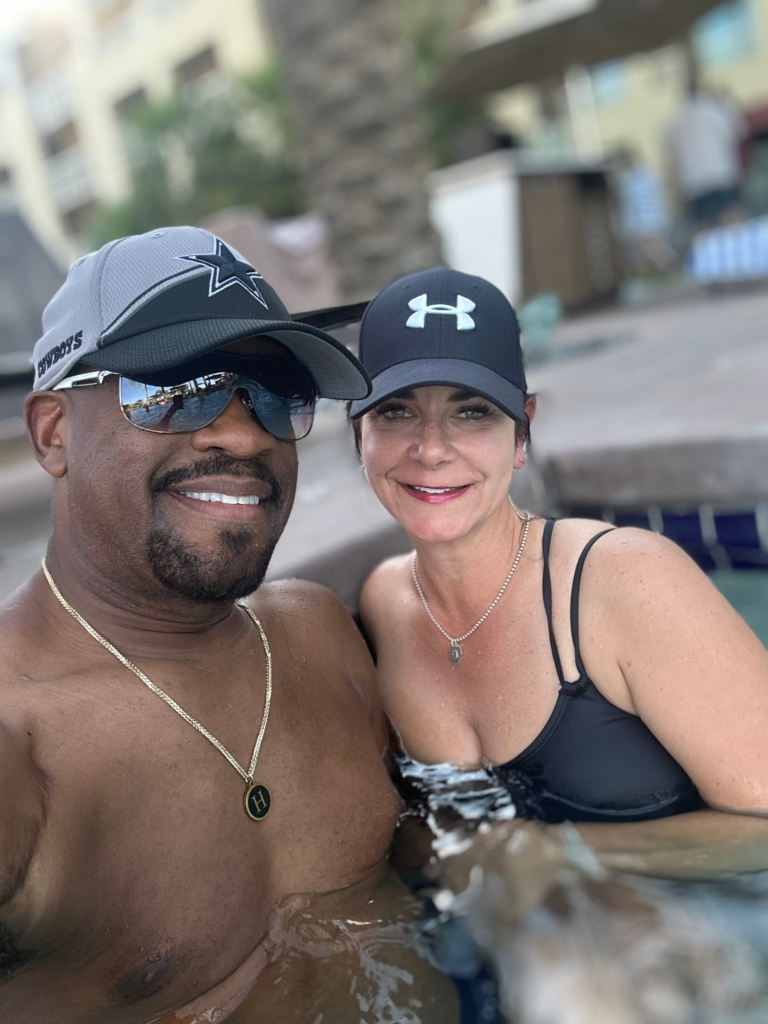
And over time I’ve begun to see that perhaps part of my purpose through this experience is to encourage others who are walking a similar path.
If my story, my faith, or even my honest struggles can help someone else feel less alone, then something meaningful can still come from this difficult chapter.
Cancer may not have been something I would ever choose, but I believe God can still use it for good.
Cancer may challenge many things in life, but it can also deepen our trust in God.
When the path forward feels unclear, faith reminds us that we are not walking it alone.
Contains information related to marketing campaigns of the user. These are shared with Google AdWords / Google Ads when the Google Ads and Google Analytics accounts are linked together.
90 days
__utma
ID used to identify users and sessions
2 years after last activity
__utmt
Used to monitor number of Google Analytics server requests
10 minutes
__utmb
Used to distinguish new sessions and visits. This cookie is set when the GA.js javascript library is loaded and there is no existing __utmb cookie. The cookie is updated every time data is sent to the Google Analytics server.
30 minutes after last activity
__utmc
Used only with old Urchin versions of Google Analytics and not with GA.js. Was used to distinguish between new sessions and visits at the end of a session.
End of session (browser)
__utmz
Contains information about the traffic source or campaign that directed user to the website. The cookie is set when the GA.js javascript is loaded and updated when data is sent to the Google Anaytics server
6 months after last activity
__utmv
Contains custom information set by the web developer via the _setCustomVar method in Google Analytics. This cookie is updated every time new data is sent to the Google Analytics server.
2 years after last activity
__utmx
Used to determine whether a user is included in an A / B or Multivariate test.
18 months
_ga
ID used to identify users
2 years
_gali
Used by Google Analytics to determine which links on a page are being clicked
30 seconds
_ga_
ID used to identify users
2 years
_gid
ID used to identify users for 24 hours after last activity
24 hours
_gat
Used to monitor number of Google Analytics server requests when using Google Tag Manager